The check engine light: it’s the little warning light on your dashboard that can stir up feelings of confusion, panic, and maybe even frustration. It’s easy to ignore, especially if your car seems to be running just fine. But, should you continue driving? What happens if you leave it unchecked? Is there really a reason to stress over this little symbol?
The truth is, the check engine light isn’t something you should ignore. It’s not just a random alarm; it’s your car attempting to tell you something essential. Knowing what the check engine light indicates and how to respond to it can help you avoid greater problems in the future and, more significantly, save you money on repairs. Let’s make things clear and simple.
What Your Check Engine Light Is Telling You
There are several reasons why the check engine light comes on, from small faults to big ones with the engine. Sensors in modern cars keep an eye on all the important systems, such the engine and the exhaust system. If one of these systems isn’t working right, the automobile will let you know with a warning light. While the color and behavior of the light (steady or blinking) can tell you something about the severity, there are still many different issues that could trigger it.
Some of the most common reasons for a check engine light to appear include:
- Loose or damaged gas cap – Surprisingly common, and an easy fix.
- Oxygen sensor issues – This sensor helps manage fuel efficiency and emissions.
- Catalytic converter problems – A vital part of your exhaust system.
- Spark plug or ignition coil issues – These are essential for your engine to run smoothly.
- Mass airflow sensor problems – Helps control the amount of fuel injected into the engine.
Can You Drive with the Check Engine Light On?
Now that you know the check engine light could signal a number of things, you might be wondering: Can I still drive with it on?
The short answer? It depends.
- If the light is steady: A solid check engine light means the problem is likely not immediately severe. It could be something as simple as a sensor issue. In this case, you may be able to drive for a short time, but it’s still a good idea to get your car checked out as soon as possible. Ignoring it can lead to bigger problems and more expensive repairs later on.
- If the light is blinking: A flashing check engine light means there is a major problem, usually with the engine not igniting correctly. You should pull over safely and stop driving right away if the light starts to blink. Continuing to drive could cause major engine damage and lead to costly repairs.
Regardless of whether the light is steady or flashing, it’s essential to understand that ignoring the warning will likely cost you more in the long run. It’s always better to act quickly.
Risks Of Driving With The Check Engine Light On
Even if your car is still running smoothly, there are potential risks associated with ignoring the check engine light. Here’s why:
- Decreased fuel efficiency: If the problem is related to your engine or exhaust system, your car might be using more fuel than it should, which could increase your gas bills.
- More expensive repairs: Small problems can escalate quickly. A broken oxygen sensor, for example, may seem like a small problem, but if you don’t fix it, it could harm your catalytic converter, which would cost you a lot more to fix.
- Engine damage: In the worst-case scenario, continuing to drive with a serious issue can cause irreparable engine damage, leaving you with a hefty repair bill or even the need for a new engine.
- Strain on the environment: If your car’s emissions system isn’t working properly, you could be contributing to higher levels of pollution. Regular repairs ensure that your vehicle meets environmental standards.
When Should You Get Your Car Checked?
If the check engine light comes on, the best thing to do is to have your automobile checked out right away. The longer you wait, the more likely it is that small problems will become big ones. Some vehicles have advanced diagnostic systems that can help you identify the problem, but it’s always best to have a professional take a look.
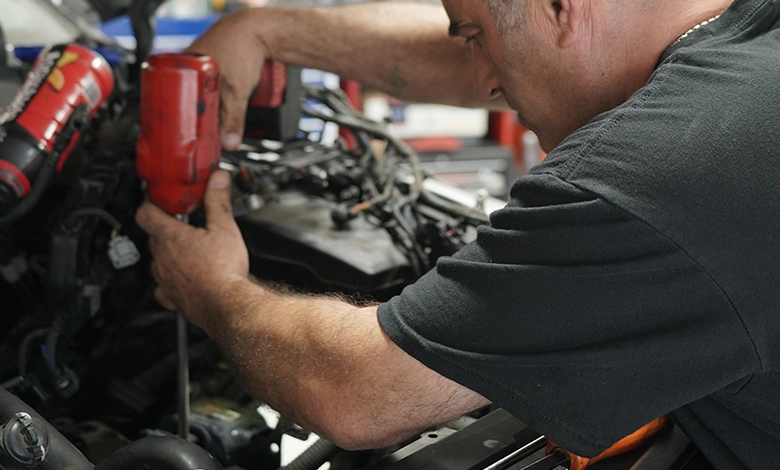
At a trusted auto repair shop, a technician will connect your car to a diagnostic tool that reads the error codes from your car’s computer system. This code will provide valuable information about what’s causing the light to come on. From there, they can determine the best way to fix the issue.
If you’re driving around Pasadena, you’ll find that Pasadena Auto Repair & Smog has the experience and knowledge to handle all check engine light issues, from the simplest fixes to more complex repairs. Don’t wait too long; take action right away to avoid costly repairs down the line.
What Happens During a Check Engine Light Diagnostic?
When you bring your car in for a diagnostic check, here’s what will happen:
- Error code reading: The technician will use a tool to read the error codes stored in your car’s computer.
- System analysis: Based on the codes, they’ll pinpoint which systems are malfunctioning.
- Thorough inspection: If necessary, they’ll perform a physical inspection of the engine, exhaust, and other components.
- Recommendation: Once they identify the issue, the technician will recommend the best course of action and provide an estimate for repairs.
You’ll always know exactly what’s going on with your car and what it will take to fix it.
How to Prevent the Check Engine Light from Coming On
While you can’t prevent every issue that triggers the check engine light, there are a few simple things you can do to keep your car in good shape:
- Regular maintenance: Stick to your car’s regular maintenance schedule, including oil changes, air filter replacement, and spark plug checks.
- Monitor gas cap tightness: Always make sure the gas cap is tightened fully when refueling.
- Drive responsibly: Avoid excessive speeding or rapid acceleration, which can strain the engine and trigger alerts.
Taking care of your car can prevent many issues that cause the check engine light to come on, saving you both time and money.
What Should You Do if the Light Is On?
- Don’t panic: While it’s important to address the issue, staying calm helps you make better decisions.
- Stop driving if the light is flashing: A blinking light indicates a more serious problem. Pull over and stop driving.
- Get it diagnosed ASAP: Whether the light is steady or blinking, it’s best to get the issue checked out as soon as you can.
Pasadena Auto Repair & Smog provides reliable, accurate diagnostics and professional auto repairs. Their skilled team has the experience to handle everything from a simple fix to more complex engine issues.
Conclusion
Ignoring a check engine light could be a costly mistake. While it might seem like just a small inconvenience, it can lead to more significant damage if left unresolved. Taking quick action ensures that you’re not only protecting your car’s health but also saving yourself from expensive repairs down the road. For those in Pasadena, Pasadena Auto Repair & Smog is ready to help you get to the bottom of any check engine light concerns and keep your car running smoothly.